
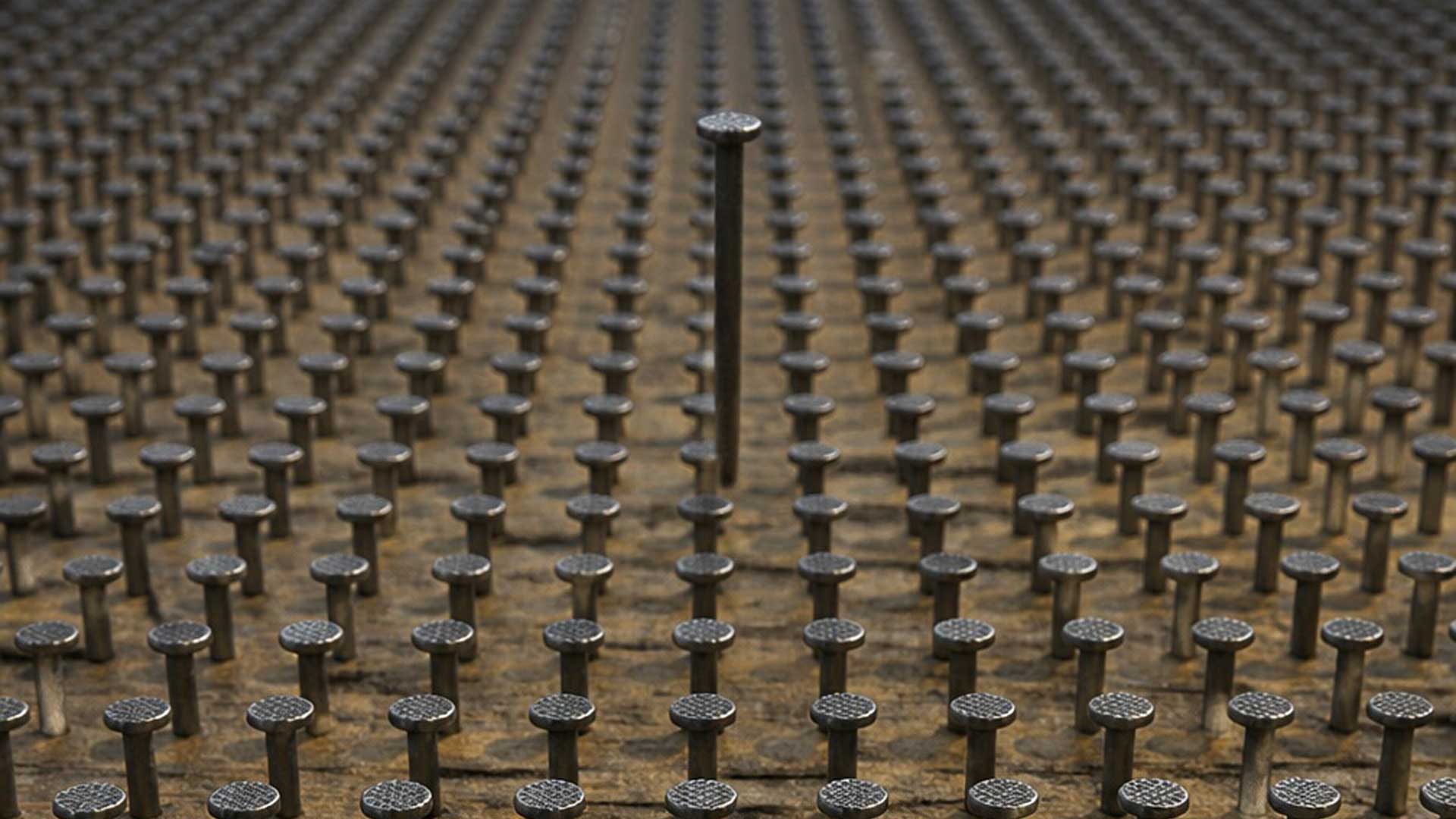
There’s a design pandemic spreading through high-growth industries right now. Open any website in the wellness space, the proptech sector, or the food-tech world and you’ll see the same thing: clean sans-serif font, muted earth tones or pastel gradients, a stock photo of a diverse team in a bright office, and a headline that says something like “Transforming the Future of X.”
Congratulations. You’ve successfully made yourself invisible.
Why Companies Default to Safe
The instinct toward safety is understandable. When you’re pitching investors or trying to appeal to a broad market, “inoffensive” feels like the rational choice. Nobody ever got fired for choosing beige. But here’s the problem: in a market where you’re competing for attention, inoffensive is the most dangerous thing you can be.
Safe brands don’t get remembered. They get scrolled past.
In industries like luxury real estate, fashion retail, or FMCG, where the visual environment is already loud and saturated, the brands that win aren’t the ones that look most professional. They’re the ones that look most themselves.
Distinctiveness Is a Business Strategy
Byron Sharp, one of the most cited researchers in modern marketing, has been saying for years that brand distinctiveness drives market share. Not quality. Not price. Distinctiveness — the ability for your brand to be instantly recognized and correctly attributed in any context.
Steve Madden built a fashion empire on this principle. The visual language is unmistakable. The tone is unapologetic. You never mistake a Steve Madden campaign for anyone else’s. That’s not an accident, that’s strategic clarity executed with conviction.
That level of distinctiveness doesn’t come from consensus. It comes from making deliberate, sometimes uncomfortable choices about what your brand stands for — and what it emphatically does not.
The Committee Problem
Most brands end up generic because of how branding decisions get made. A CEO wants bold. A CMO wants approachable. A board member says it looks too edgy. A regional manager adds “can we make the logo bigger?” And by the time the brief has been through enough rounds of stakeholder feedback, what was once a sharp, distinctive identity has been sanded into something that offends no one and excites no one.
Effective branding requires a creative decision-maker with enough authority to protect the work. Not a committee. Not a survey. One person who understands what the brand is trying to say, and has the conviction to say it clearly.
What Standing Out Actually Looks Like
In the UAE’s competitive F&B market, a cloud kitchen brand needs to fight for attention in apps, delivery bags, social feeds, and pop-up activations simultaneously. The brands that cut through have something to say beyond the menu. They have a world — a visual and verbal universe that makes you feel something.
That world doesn’t emerge from safe choices. It emerges from understanding your customer deeply enough to know what will genuinely resonate — and then having the creative courage to go there without flinching.
The Question to Ask Your Agency
Next time you’re reviewing brand work, ask one question: “If you removed the logo, would anyone know this was ours?” If the answer is no, you’re not looking at a brand. You’re looking at graphic design. Go back to the brief.